


03/02/2023
Settlement and Demography
Nearly all societies experience urbanisation and a concentration of its citizens. In a varying degree, this is a develop...
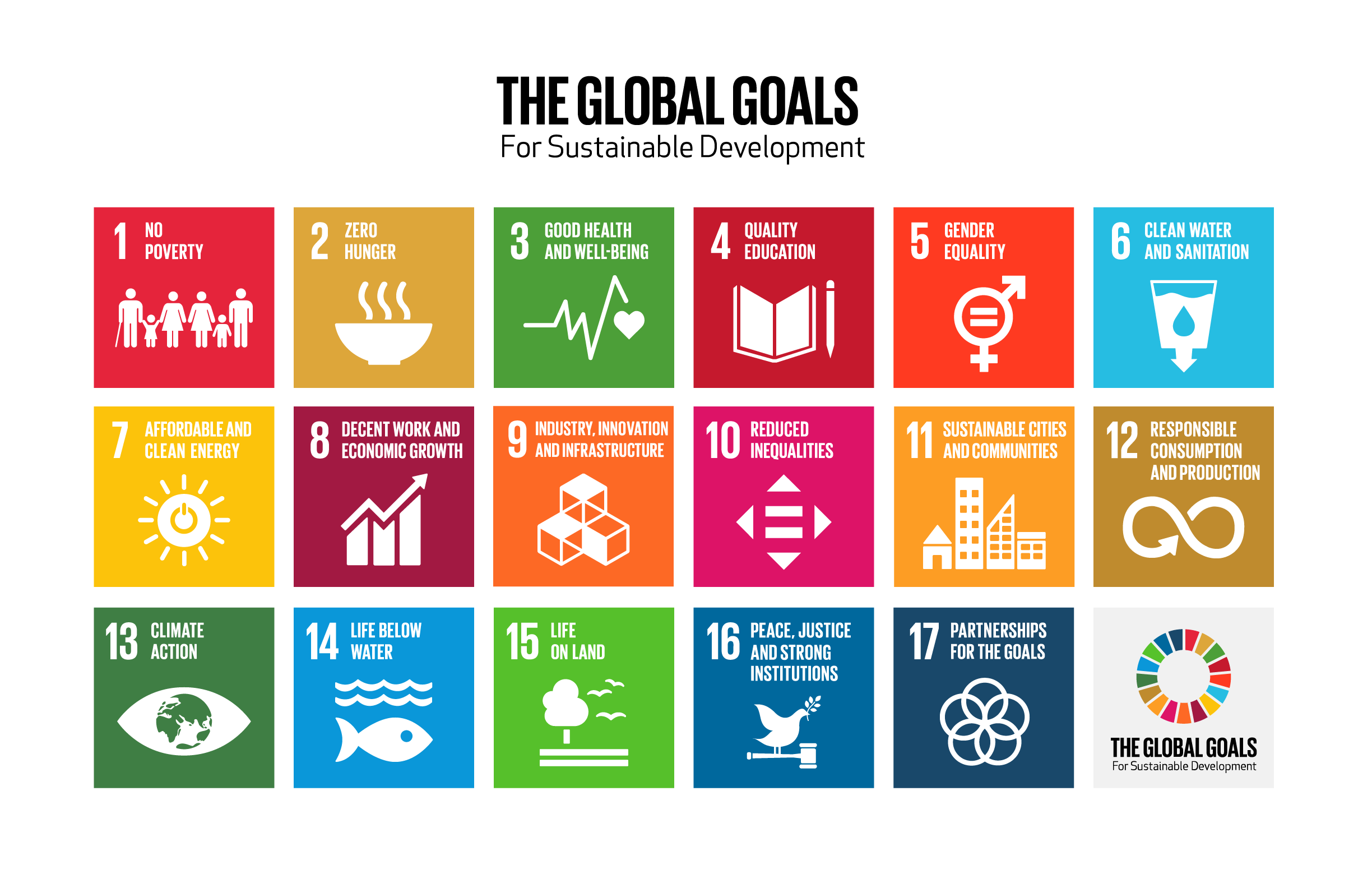
The UN Sustainable Development Goals (SDGs) and the Paris Agreement have put global issues such as sustainability, climate, inequality, and diversity firmly onto the agenda of business. Getting this agenda right has become business critical and is now about legitimacy and raison d'être.
Expectations of a company's participation in the sustainability agenda are rising rapidly. Soon it will no longer be enough to be a well-run company with great bottom-line figures to access, for example, international investment or to attract the best talent. Through our position in civil society, Greenland Business Association is focused on seizing the agenda and showing that we are doing what we can to contribute to it with the means at our disposal.
Therefore, during 2023, we will initiate work to systemize the current efforts of our organization and its member companies and to develop a sustainability strategy with concrete objectives. Indeed, without a strategy (and eventually a report) to refer to, we are not in a position to be an authority on the sustainability debate as a credible player.
Most companies are aware of the importance of the sustainability agenda and are happy to contribute to it. However, only some people know how best to approach the task - or that sustainability today is about more than climate, and there are good opportunities to contribute to different aspects of the agenda. Nowadays, sustainability also encompasses social responsibility and sustainable management, which is why there is now talk of three sustainable bottom lines, ESG, to be added to the economic one: Environmental (E), Social (S), and Governance (G).
In our strategy for 2025, Greenland Business Association has chosen to focus on how sustainability/ESG can be included in the association's work for the benefit of member companies. In 2023, the overall strategy will be followed by a concrete action plan for sustainability. The aim is to produce a clear strategy and action plan based on principles, objectives, and actions that can help companies of all sizes approach the sustainability agenda from their individual starting points.
Many of the larger companies are already well-advanced in their sustainability work. Therefore, it is important that the strategy creates a common understanding of the issue and makes it easy for member companies to participate, especially in the SME segment (Small and Medium Enterprises). Therefore, developing a sustainability strategy under Greenland Business Association's auspices will be based on the following principles.